
Engagierter Papa berichtet – Die Avontuur beendet erfolgreich ihre Voyage 16
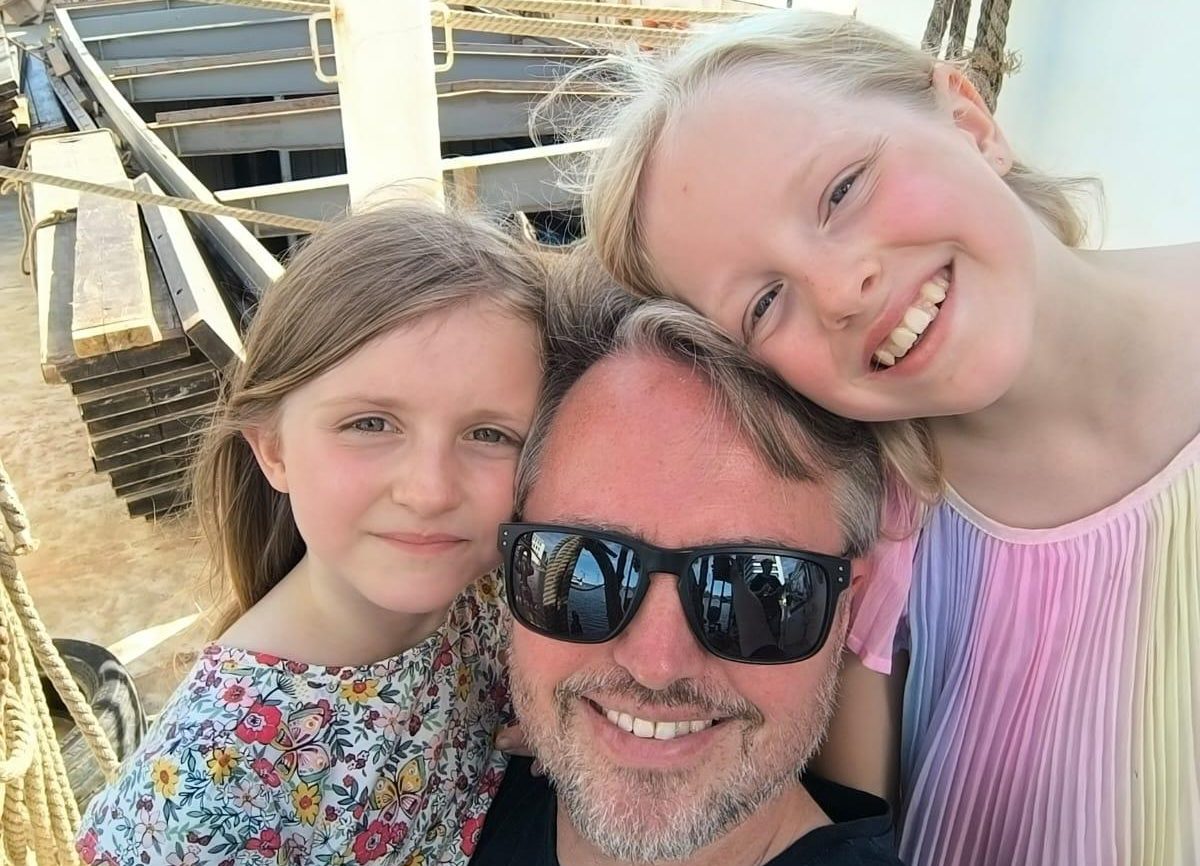
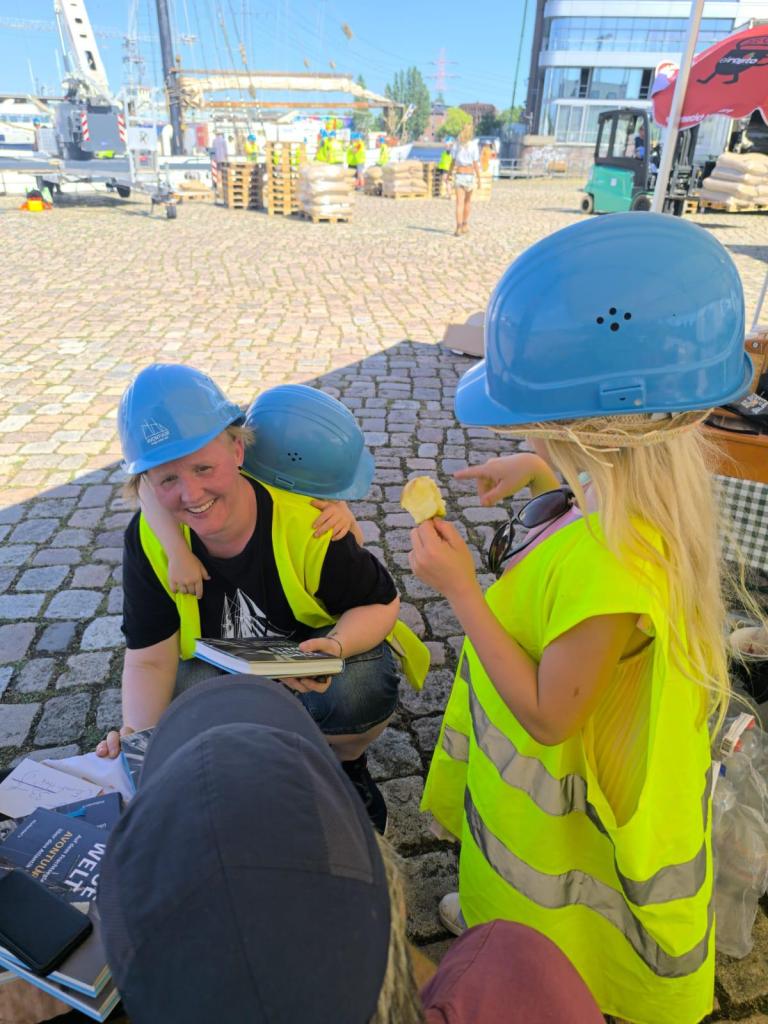
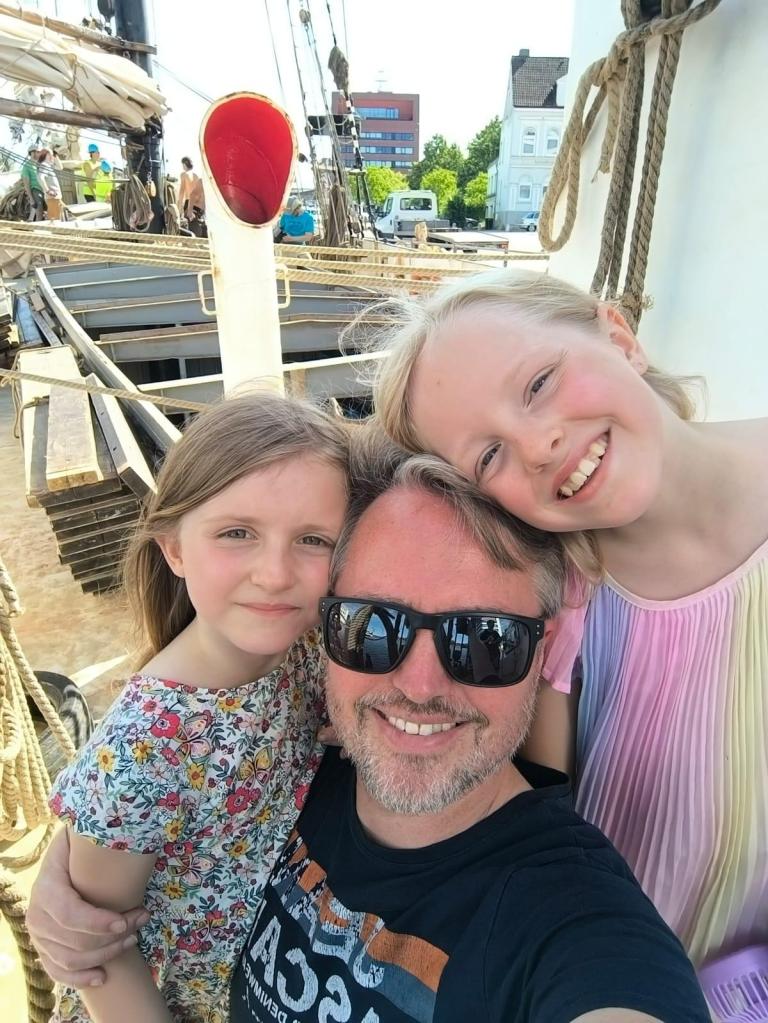
Frank ist Mitte 40, zweifacher Familienvater und mit ganzem Herzen Papa. Er engagiert sich mit Herzblut in allen Belangen rund um seine beiden kleinen Seelen und setzt sich darüber hinaus ehrenamtlich für eine nachhaltige Zukunft ein. Seine beiden Mädels, die Feuer und Flamme für das Schiff und das Projekt sind, begleiten ihn seit inzwischen zwei Jahren. Spielerisch und zugleich ganz realitätsnah erleben sie den globalen Handel, packen bei Veranstaltungen sogar selbst mit an und dürfen auch mal einen Kaffeesack mitbewegen.
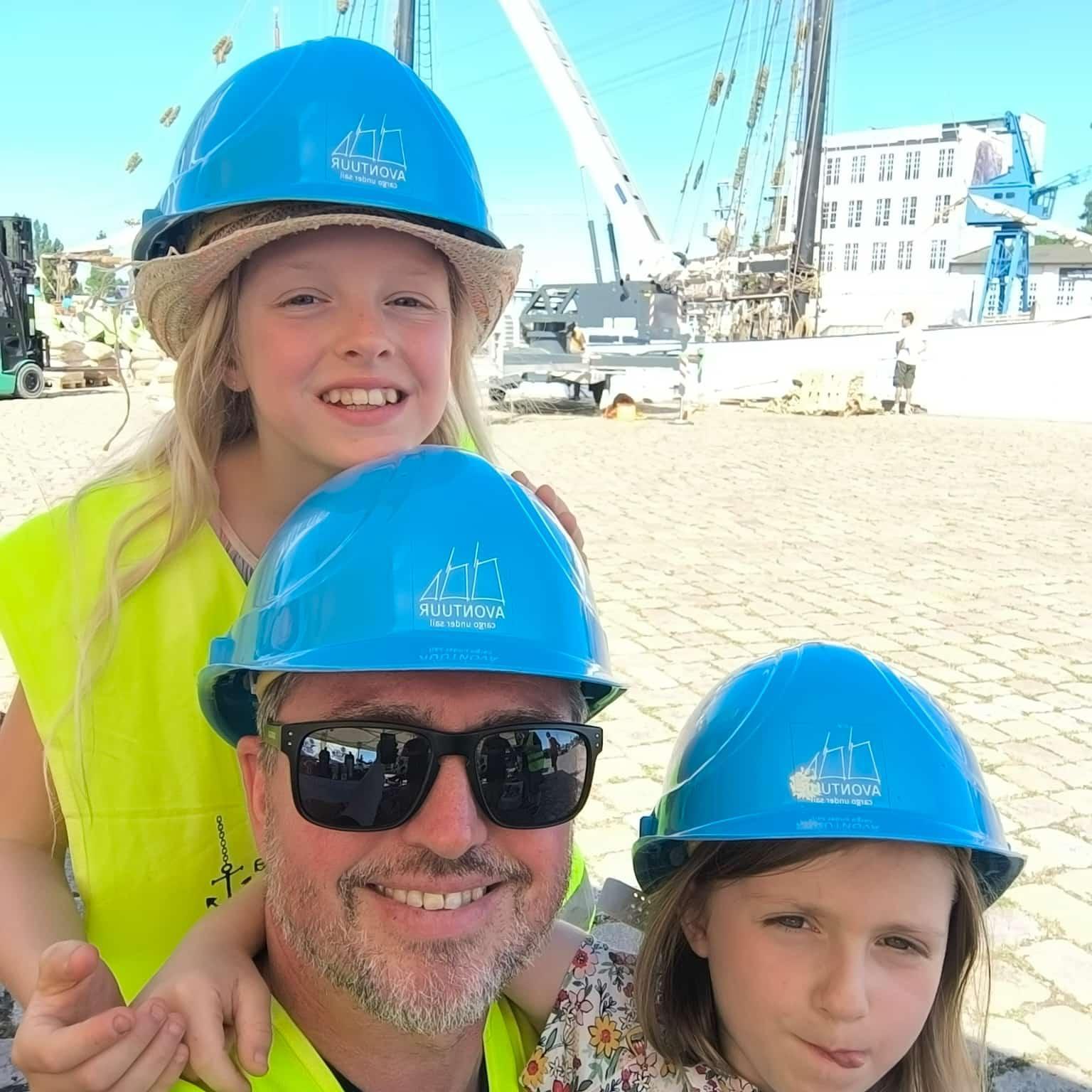
Was Frank am Projekt der Avontuur besonders fasziniert und welche Eindrücke er von der erfolgreichen Voyage 16 mitgenommen hat, erzählt er in seinem Bericht.



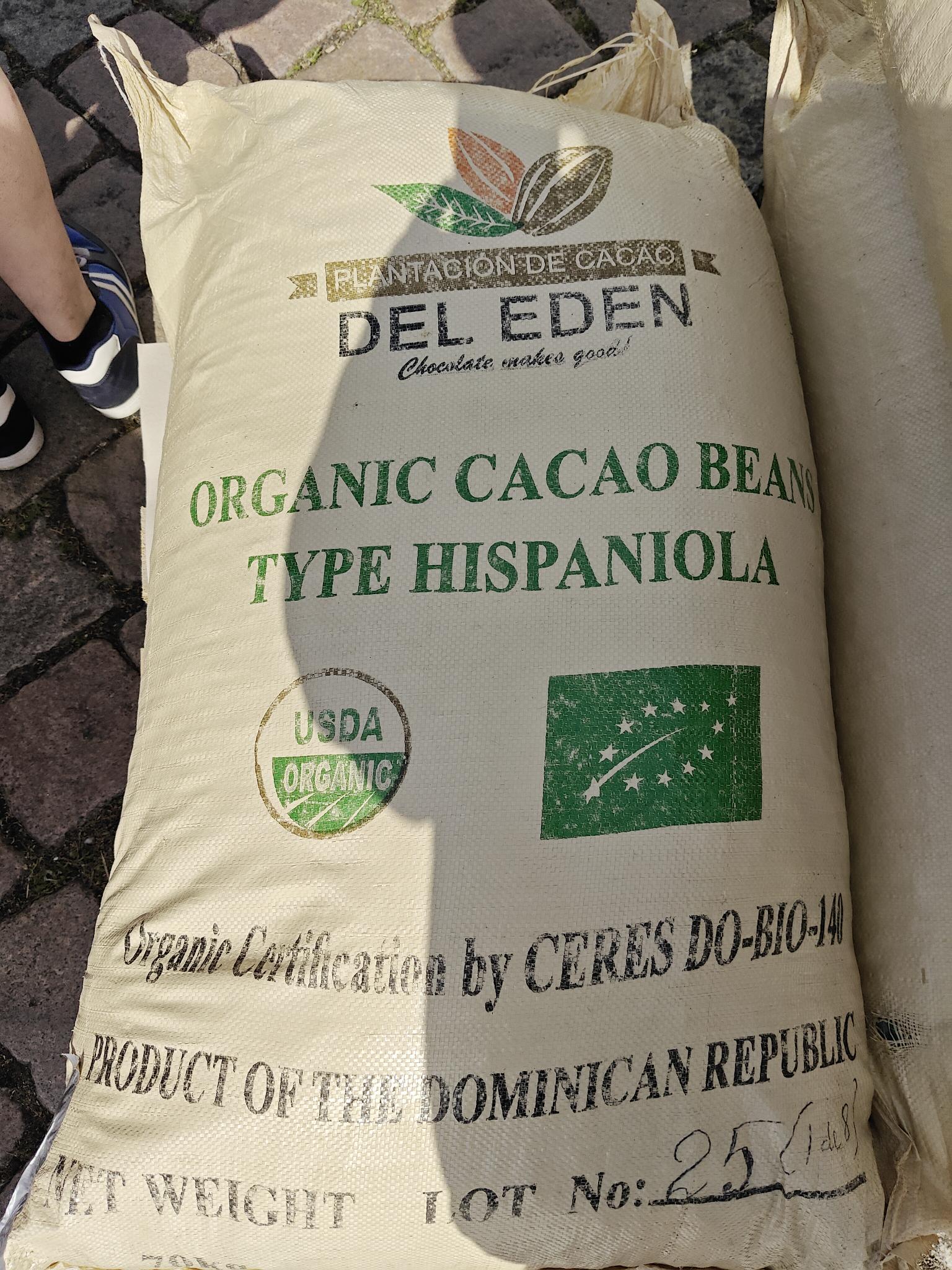
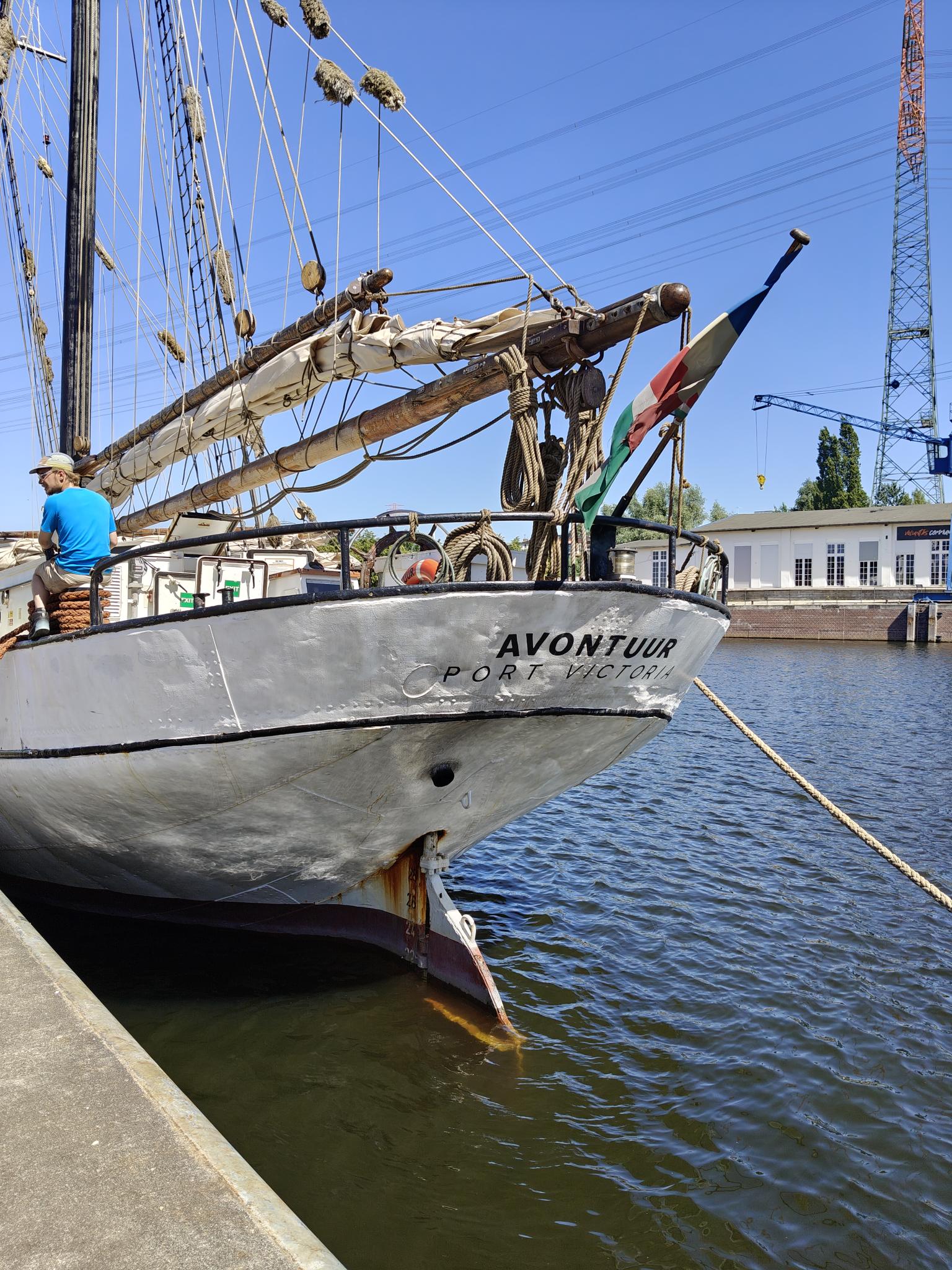

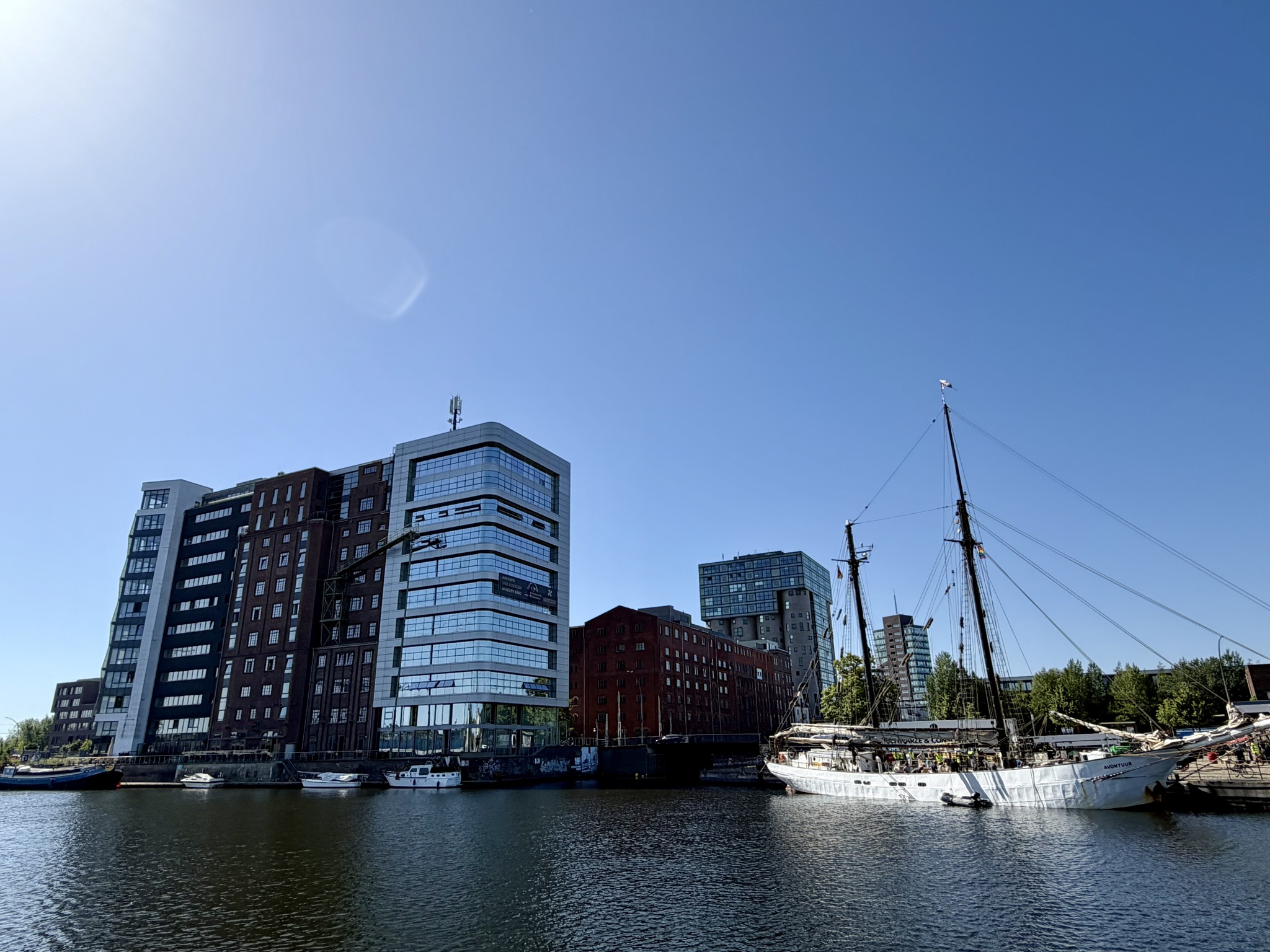
Bilder: (c)Katrin Langheinrich und Birgit S.
Frank Kasper:
Als die Avontuur am Morgen des 26. Juni 2026 unter gesetzten Segeln die Elbe hinauf in Richtung Hamburger Hafen lief, ging eine außergewöhnliche Reise zu Ende. Fast zehn Monate war der historische Segelfrachter unterwegs. Rund 14.000 Seemeilen lagen hinter der Crew und ihrer wertvollen Fracht – Kaffee, Kakao und Rum, nahezu emissionsfrei von Süd- und Mittelamerika nach Europa transportiert. Für mich war dieser Tag weit mehr als die Rückkehr eines Schiffes.
Ich bin auf Deutschlands größter Insel aufgewachsen – nur etwa 100 Meter Luftlinie vom Meer entfernt. Das Meer, die Schifffahrt und die Sehnsucht nach der Ferne haben mich seit meiner Kindheit begleitet. Später arbeitete ich elf Jahre als technischer Schiffsausrüster bei zwei bedeutenden deutschen Schiffsausrüstungsunternehmen. Die Schifffahrt wurde damit nicht nur Teil meiner Kindheit, sondern auch meines Berufslebens.
Vor vielen Jahren las ich zum ersten Mal vom Projekt der Avontuur. Damals stellte ich mir unweigerlich die Frage:
Kann das im 21. Jahrhundert überhaupt funktionieren?
Ein historischer Segelfrachter, der Kaffee, Kakao und Rum nahezu emissionsfrei über den Atlantik transportiert? Während die Handelsschifffahrt über Flettner-Rotoren, Zugdrachensysteme und andere alternative Antriebstechnologien diskutierte – meist mit dem Ziel, Treibstoffkosten zu senken –, verfolgte die Avontuur einen völlig anderen Ansatz. Hier standen Nachhaltigkeit, Fairness und der Idealismus vieler engagierter Menschen im Mittelpunkt.
Heute lautet die Antwort eindeutig: Ja.
Mit der Voyage 16 absolvierte die Avontuur bereits ihre 16. erfolgreiche Atlantikreise. Was einst als mutiges Projekt begann, hat sich längst als funktionierendes Konzept etabliert. Auch die sechzehnte Reise zeigte eindrucksvoll, dass hochwertiger Kaffee, Kakao und Rum nahezu emissionsfrei von Süd- und Mittelamerika nach Europa transportiert werden können.
Ein bedeutender Hafen der Reise war Belém im brasilianischen Amazonasgebiet. Die Avontuur erreichte die Stadt rechtzeitig vor der UN-Klimakonferenz COP30, die vom 10. bis 21. November 2025 dort stattfand. Während sich die Welt auf eines der wichtigsten Klimatreffen vorbereitete, lag im Hafen ein Schiff, das bereits seit Monaten bewies, dass nachhaltiger Seetransport keine Zukunftsvision sein muss.
Im Frühjahr 2026 führte die Reise nach Santa Marta in Kolumbien. Dort erhielt die Avontuur während eines rund vierwöchigen Aufenthalts ein umfangreiches Refit. Gleichzeitig wurden Gas und Treibstoff gebunkert und etwa Mitte März fand ein Crewwechsel statt. Kapitän Cornelius trat für einen Monat seine wohlverdiente Pause an, bevor er später wieder an Bord zurückkehrte.
In Boca Chica wurden anschließend fünf Tonnen Kakao in Säcken geladen.
Zu den eindrucksvollsten Momenten der gesamten Reise gehörte der Aufenthalt auf Marie-Galante. Dort warteten ein großes und fünf kleinere Rumfässer auf ihren Transport nach Europa. Technische Hilfsmittel gab es kaum. Die Fässer wurden zunächst vom Strand aus durch das Meer bis zur Avontuur geschwommen und anschließend mit vereinten Kräften aus dem Wasser an Bord gehievt. Im wahrsten Sinne des Wortes war dies Handarbeit – körperlich anstrengend und zugleich beeindruckend.
Die größte Ladeaktion der gesamten Reise erfolgte schließlich in Puerto Limón in Costa Rica. Dort wurden 62,9 Tonnen Kaffee verladen. Jeder einzelne Sack wog 70 Kilogramm. Zusammen mit Kakao und Rum erreichte die Avontuur damit ihre maximale Ladekapazität von rund 70 Tonnen.
Die Fracht war für verschiedene europäische Importeure bestimmt. Für Sol Nocturno wurden rund 8,3 Tonnen Kaffee transportiert. Café Chavalo erhielt 884 Kaffeesäcke à 70 Kilogramm sowie zusätzlich 193 Kisten fertig abgepackten Kaffees. Für Choco del Sol wurden acht Säcke Kakao geladen. Die sechs Rumfässer blieben zunächst an Bord und sollten erst am 30. Juni 2026 im Hafen von Brake gelöscht werden.
Nach der Atlantiküberquerung lief die Avontuur zunächst Amsterdam (NDSM / Kaap de Groene Hoop) an. Dort wurden bereits rund fünf Tonnen Kaffee und Kakao gelöscht. Anschließend begann die letzte Etappe Richtung Deutschland.
Die Nordsee zeigte sich zunächst von ihrer ruhigen Seite. Über weite Strecken herrschte nur wenig Wind. Umso beeindruckender war das Einlaufen in die Elbe. Mit frischem Wind konnte die Avontuur den Hamburger Hafen unter Segeln erreichen – ein würdiger Abschluss einer außergewöhnlichen Reise.
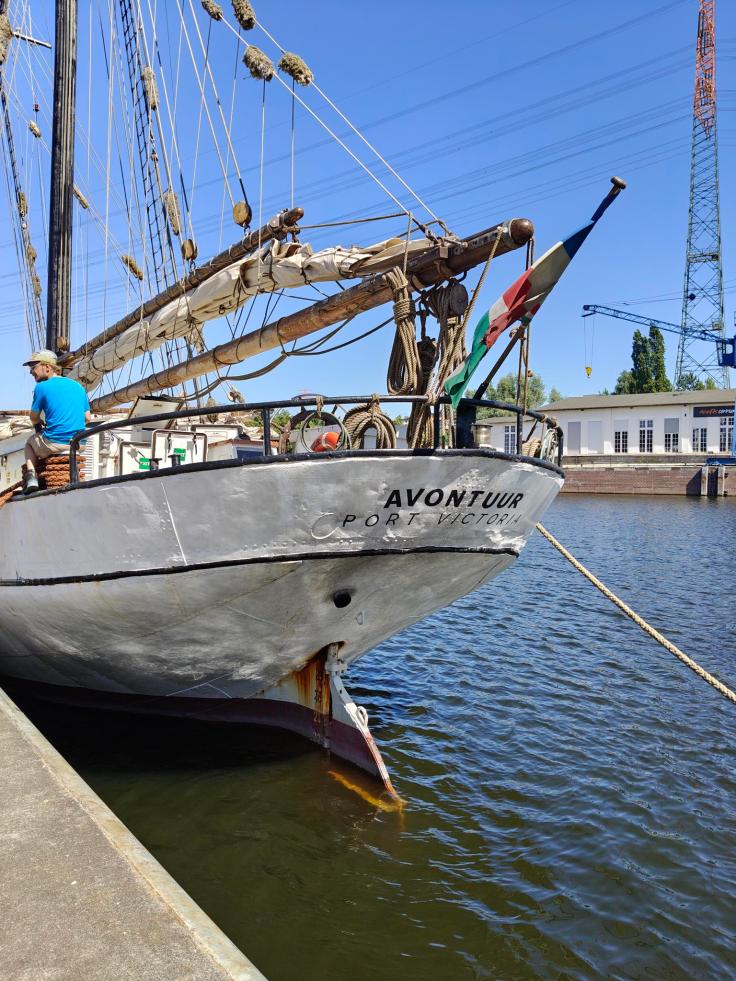
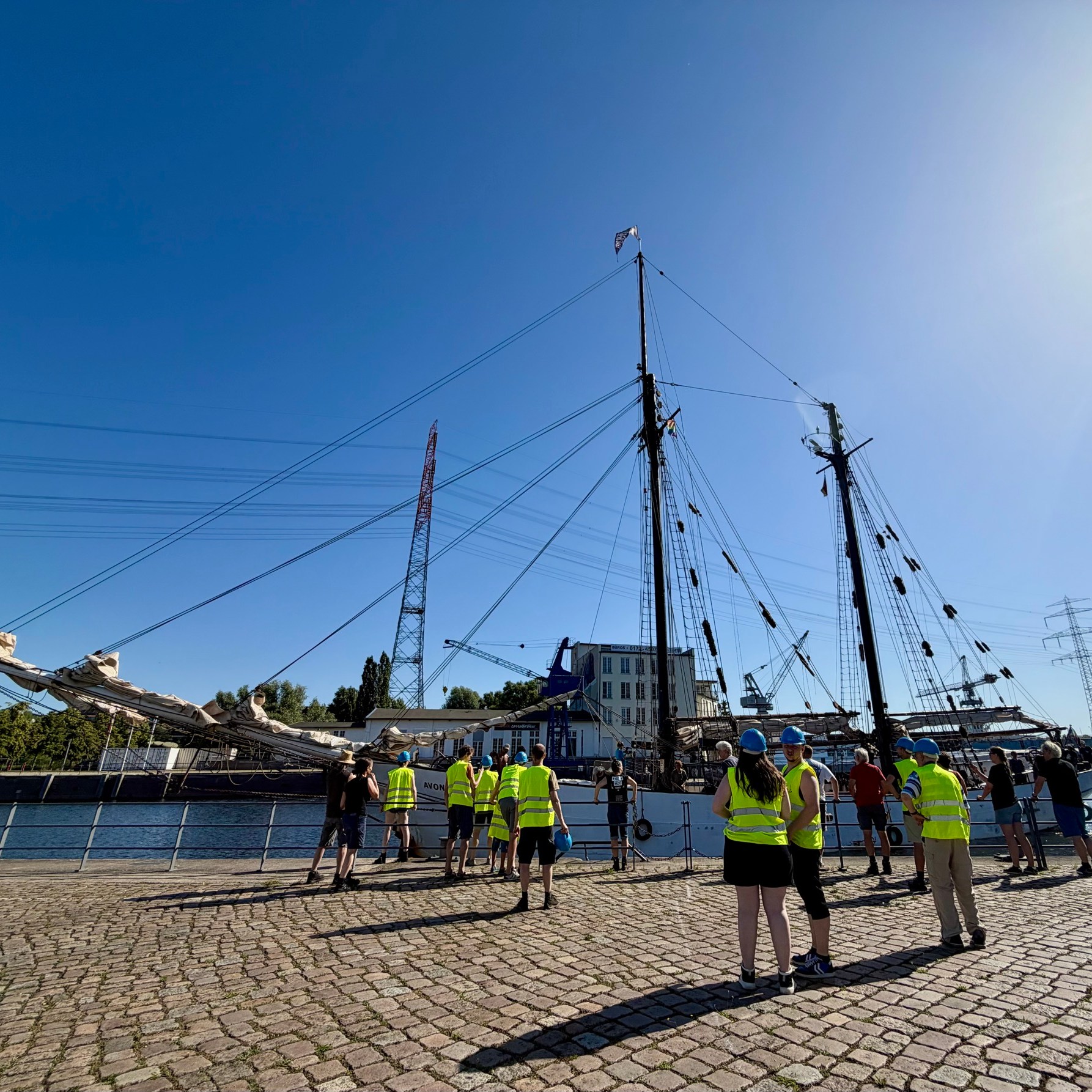
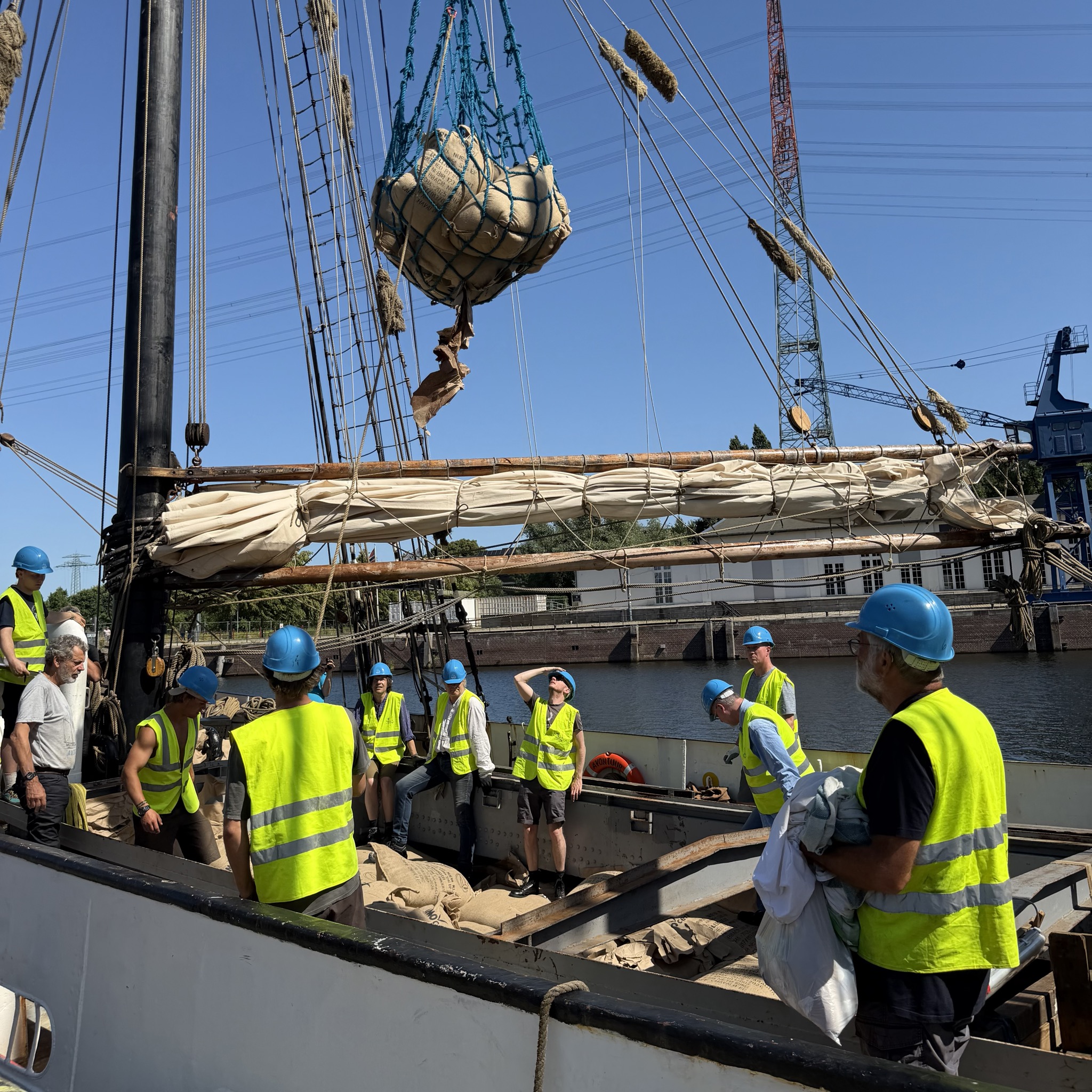
Bereits um 9:40 Uhr begann das Löschen der Fracht. Trotz außergewöhnlicher Temperaturen von etwa 36 bis 38 Grad Celsius hatten sich zahlreiche freiwillige Helfer eingefunden. Auch ich durfte – wie bereits im vergangenen Jahr – wieder beim Entladen mithelfen.
Im Gespräch mit Crewmitgliedern, unter anderem mit Max, wurde deutlich, wie viel körperliche Arbeit, Idealismus und Leidenschaft hinter einer solchen Reise stehen. Als die Hitze im Laufe des Tages immer belastender wurde, schlossen sich sogar spontan Bewohner einer benachbarten Hausbootsiedlung den Helfern an. Gemeinsam wurde Sack für Sack gelöscht – ein beeindruckendes Beispiel dafür, wie viele Menschen sich mit der Idee der nachhaltigen Segelfracht identifizieren.
Mich fasziniert an der Avontuur nicht allein das Schiff oder die außergewöhnliche Art des Transports. Es ist vielmehr die Haltung dahinter.
Ein guter Kaffee oder hochwertiger Kakao ist für mich nicht deshalb etwas Besonderes, weil er selten oder exklusiv ist. Besonders wird er dann, wenn ich weiß, woher er stammt, wer ihn angebaut hat und dass die Menschen für ihre harte Arbeit einen fairen Preis erhalten haben. Der wahre Wert eines Produktes entsteht nicht durch einen möglichst niedrigen Preis, sondern durch Ehrlichkeit, Qualität und den respektvollen Umgang mit den Menschen, die es erzeugen.
Vor vielen Jahren fragte ich mich, ob ein Projekt wie die Avontuur in unserer heutigen Zeit überhaupt funktionieren könne.
Nach der erfolgreichen Voyage 16 muss diese Frage wohl nicht mehr beantwortet werden. Die Antwort liegt in jedem Kaffeesack, jedem Sack Kakao und jedem Fass Rum, das unter Segeln den Atlantik überquert hat. Sie liegt in den Menschen, die diese Reise möglich machen – in den Erzeugern, der Crew, den vielen freiwilligen Helfern und letztlich auch bei uns Verbrauchern.
Denn mit jeder Kaufentscheidung entscheiden wir mit, welchen Wert wir einer Ware und der Arbeit der Menschen dahinter beimessen.
Die Avontuur transportierte auf ihrer sechzehnten Atlantikreise rund 70 Tonnen Fracht nach Europa.
Vielleicht aber war ihre wichtigste Fracht erneut eine andere:
Die Hoffnung und der Beweis, dass nachhaltiger, fairer und verantwortungsvoller Welthandel auch im Jahr 2026 möglich ist.
Besonderer Dank gilt auch Katrin Langheinrich, vom besten Bioladen: “Himmel und Erde” in Halle an der Saale und nach meinem Kenntnisstand: international unschlagbar! Ihre Bilder sind fantastisch und auch ihr Einsatz ist grandios – Für eine Zukunft mit Sinn und echter Nachhaltigkeit.
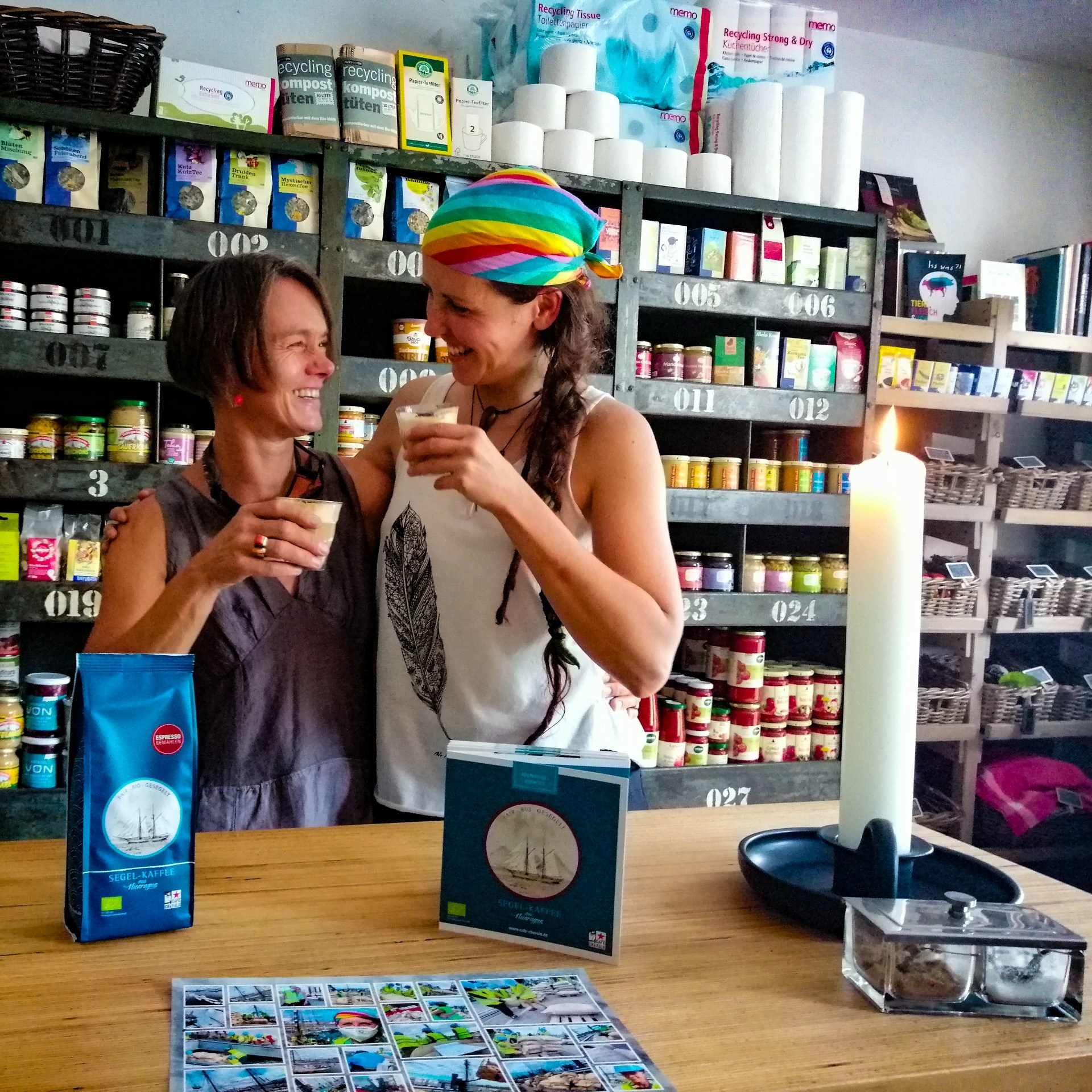
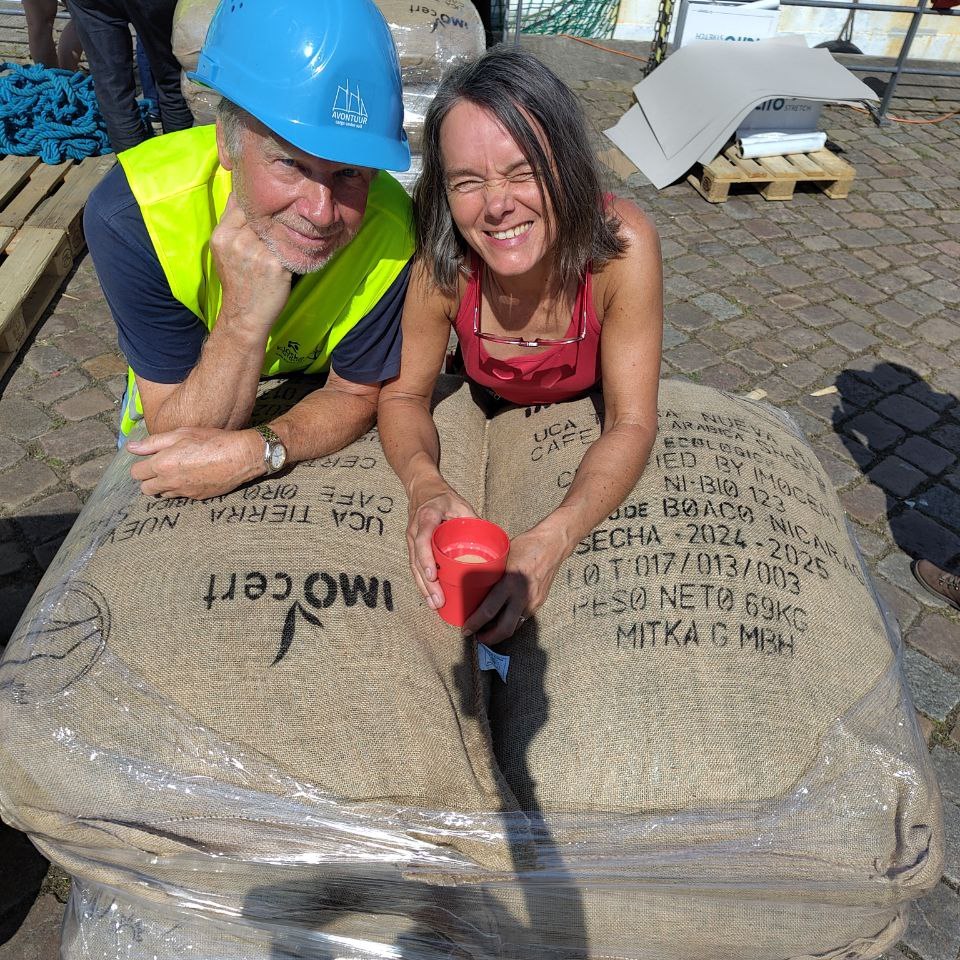
Es gibt sie die Menschen die tagtäglich inspirieren und einfach Gutes tun. Wunder geschehen und jedes beginnt mit dir da draußen! Welche Entscheidung du im Alltag triffst liegt allein in deiner Macht.
Dankeschön an Birgit, die das Projekt ebenfalls tatkräftig unterstützt und mich, sowie das Fair Winds Collective vor Ort vertreten hat.
Und ein riesen Dankeschön, an einen Mann, den ich persönlich über viele Jahre erlebt habe – Ein Lebenswerk hat er geschaffen, dass in die Geschichte der Menschheit eingeht – Cornelius Bockermann:

Für das Fair Winds Collective ist diese Reise ein weiterer wichtiger Mission Zero Meilenstein. Sie zeigt eindrücklich, dass emissionsfreie Seefracht nicht nur eine Vision ist, sondern Realität auf den Weltmeeren.
Fair Winds!
Peggy Engelmann
Fair Winds Collective
Dedicated Dad Shares His Story – The Avontuur Successfully Completes Voyage 16
Frank is in his mid-fourties, a devoted father of two, and wholeheartedly dedicated to his role as a dad. He pours his heart into every aspect of his daughters’ lives while also volunteering his time and energy to help build a more sustainable future. His two girls, who are absolutely passionate about the ship and the project, have been accompanying him for the past two years. Through hands-on experiences, they gain a playful yet authentic understanding of global trade. At events, they eagerly lend a hand and even get to help move the occasional coffee sack. In his report, Frank shares what fascinates him most about the Avontuur project and reflects on the impressions he took away from the successful Voyage 16.
Frank Kasper: When the Avontuur sailed up the River Elbe under full sail towards the Port of Hamburg on the morning of June 26, 2026, an extraordinary journey came to an end. For almost ten months, the historic cargo sailing vessel had been at sea. Behind her lay around 14,000 nautical miles, along with a precious cargo of coffee, cocoa, and rum transported from South and Central America to Europe with almost no emissions. For me, however, this day represented far more than the return of a ship.
I grew up on Germany’s largest island, just about 100 metres from the sea. The ocean, ships, and the longing for distant horizons have been part of my life since childhood. Later, I spent eleven years working as a technical marine outfitter for two major German ship supply companies. Shipping therefore became not only part of my upbringing but also my professional life.
Many years ago, I first read about the Avontuur project. Like many others, I immediately found myself asking:
Can something like this really work in the 21st century?
A historic sailing cargo vessel transporting coffee, cocoa, and rum across the Atlantic with almost no emissions? At a time when the commercial shipping industry was discussing Flettner rotors, kite propulsion systems, and other alternative technologies—mostly to reduce fuel costs—the Avontuur pursued an entirely different vision. Sustainability, fairness, and the dedication of countless committed people were at the heart of the project.
Today, the answer is crystal clear: Yes.
With Voyage 16, the Avontuur successfully completed her sixteenth Atlantic crossing. What once began as a bold and ambitious idea has long since become a proven concept. This latest voyage once again demonstrated that high-quality coffee, cocoa, and rum can indeed be transported from South and Central America to Europe with almost no emissions.
One of the voyage’s most significant ports of call was Belém, in Brazil’s Amazon region. The Avontuur arrived shortly before the UN Climate Change Conference COP30, held there from November 10 to 21, 2025. While world leaders were preparing for one of the most important climate summits of the decade, a sailing cargo vessel lay quietly in the harbour, having already spent months proving that sustainable maritime transport is not merely a vision for the future—it is already a reality.
In the spring of 2026, the voyage continued to Santa Marta, Colombia. During a stay of approximately four weeks, the Avontuur underwent an extensive refit. At the same time, fuel and gas supplies were replenished, and around the middle of March a crew change took place. Captain Cornelius began a well-deserved month of leave before later returning to the vessel.
The next cargo operation took place in Boca Chica, where five tonnes of bagged cocoa were loaded aboard.
Among the most memorable moments of the entire voyage was the stop at Marie-Galante. Waiting there were one large and five smaller rum casks destined for Europe. With almost no mechanical equipment available, the barrels first had to be floated through the sea from the beach to the Avontuur. From there, the crew hauled them out of the water and onto the ship by sheer manpower. It was manual labour in the truest sense of the word—physically demanding, yet deeply impressive.
The largest loading operation of the voyage took place in Puerto Limón, Costa Rica, where 62.9 tonnes of coffee were brought aboard. Every single sack weighed 70 kilograms. Together with the cocoa and rum already on board, the Avontuur reached her maximum cargo capacity of approximately 70 tonnes.
The cargo was destined for several European importers. Around 8.3 tonnes of coffee were shipped for Sol Nocturno. Café Chavalo received 884 coffee sacks weighing 70 kilograms each, along with an additional 193 boxes of packaged coffee. Eight sacks of cocoa were loaded for Choco del Sol. The six rum casks remained on board and were scheduled to be unloaded later, on June 30, 2026, in the German port of Brake.
After crossing the Atlantic, the Avontuur first called at Amsterdam (NDSM / Kaap de Groene Hoop), where around five tonnes of coffee and cocoa were discharged. From there, the vessel set course for the final leg of her journey to Germany.
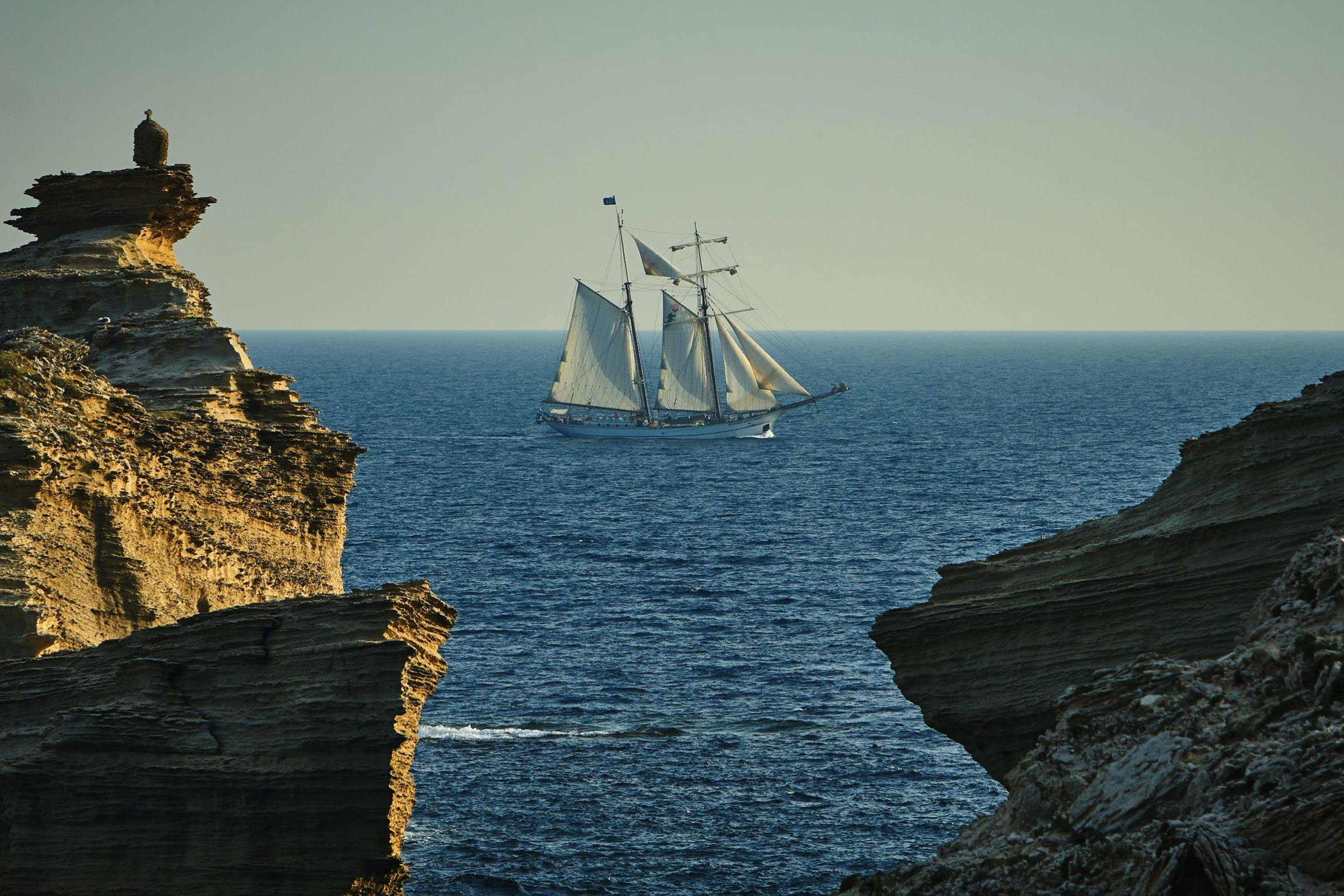
The North Sea initially offered little wind, making for a calm passage. But the final approach to the Elbe became a fitting finale. With a fresh breeze filling her sails, the Avontuur entered the Port of Hamburg under sail — a worthy conclusion to an extraordinary voyage.
A very special thank you also goes to Katrin Langheinrich from “Himmel und Erde”, the best organic food store in Halle (Saale) and internationaly. Her photographs are truly outstanding, and her dedication is just as remarkable. She is passionately committed to a future shaped by purpose and genuine sustainability.
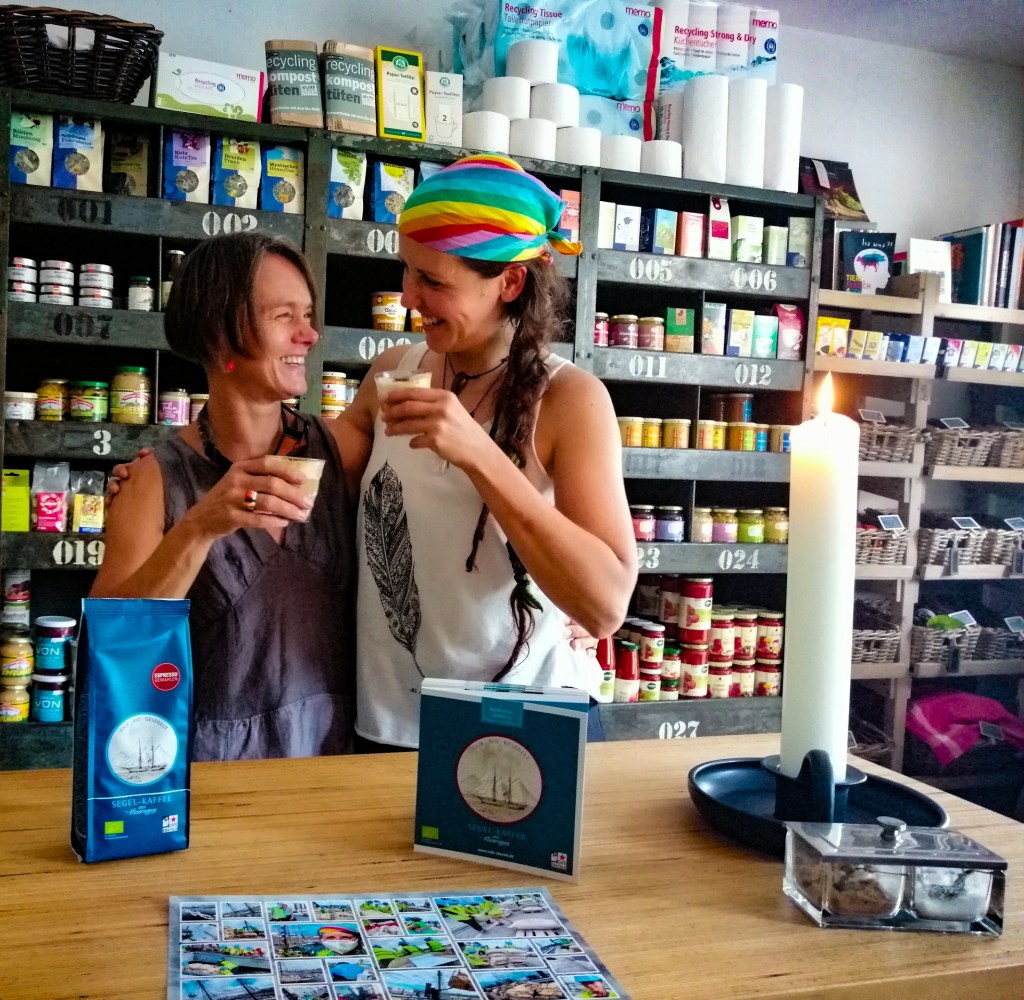
There are people who inspire others every single day simply by doing good. Miracles happen every day—and every one of them begins with you. The choices you make in your everyday life are yours alone, and they have the power to make a real difference.
A heartfelt thank you to Birgit, who has been an incredible supporter of this project. She represented me on site and proudly stood in for me as a supporter of the Fair Winds Collective. Your dedication, kindness, and commitment to a more sustainable future are deeply appreciated.
For the Fair Winds Collective, this voyage marks another important Mission Zero milestone, clearly demonstrating that emission-free ocean freight is not just an idea – it is already happening at sea.
Fair Winds!
Peggy Engelmann
Fair Winds Collective
Fair Winds Collective – Context for Sail Shipping and Ocean Protection
Fair Winds Collective is an international network platform that connects sustainable sailing cargo projects, science, and education, increasing visibility and collaboration.
Its focus is on emission-free shipping and sustainable solutions for global transport.
This includes:
Building networks for projects using wind power in maritime transport.
Supporting sailing cargo initiatives, such as sustainable coffee imports. Creating educational and visibility platforms for alternative shipping models.
This aligns directly with sail coffee: both stand for emission-free shipping instead of fossil fuels, contributing to climate protection and, indirectly, ocean protection.
What the PeggyMerkur.blog Highlights
My articles include the topic of sailed coffee, cacao and other products. It describes how cargo is transported to Europe aboard the traditional sailing cargo ships.
The story connects sailed products like coffee with ethical environmental values, emphasizing a clean future, sustainable consumption, and conscious use of resources.
Sailed coffee is presented as an expression of a lifestyle and value system rooted in sustainability.
Conclusion – Why Sailed Coffee/Cacao Support Ocean Protection
✅ Mission Zero → low CO₂ emissions → reduced climate stress on oceans
✅ Low noise levels → less disturbance to marine life
✅ Reduced pollutants (sulfur and nitrogen oxides)
✅ Fair and stable prices → up to three times the world market price for farmers
✅ Strong symbolic impact → raises awareness for sustainable shipping and ocean protection
Join the Journey with your organization, company or class
If you’d like to book a workshop, collaborate, or bring this project to your community, I’d love to hear from you.
Follow our journey on Instagram, Facebook, and LinkedIn, and watch as these flags —and the voices behind them – set sail.




Together, we rock. 🌏💙

2026-06-29, Peggy Engelmann

